
Understanding Beta-Glucans in Mushroom Extracts
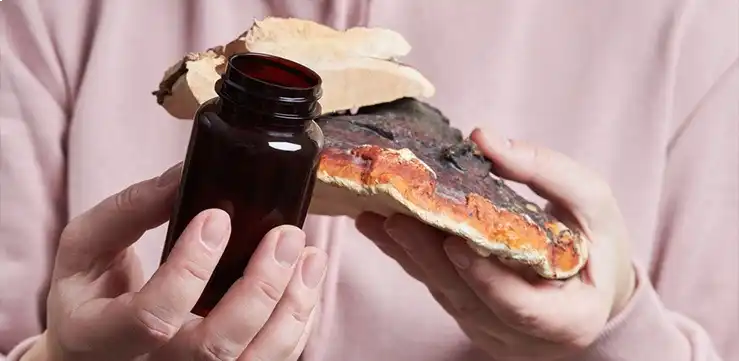
Beta-glucans are among the most important functional compounds found within medicinal mushrooms and remain central to the development of high-quality mushroom extracts across nutraceutical and wellness industries. Naturally occurring within fungal cell walls, mushroom beta glucan refers to a class of complex polysaccharides associated with immune modulation, biological signaling, and overall functional activity. Mushrooms such as Turkey Tail, Lion’s Mane, Shiitake, Maitake, and Reishi are particularly valued for their mushroom beta glucan content and extraction potential. The concentration and accessibility of beta-glucans are heavily influenced by cultivation methods, raw material quality, and extraction technology. Because these compounds remain embedded within chitin-rich cellular structures, extraction becomes essential for improving solubility, concentration, and formulation performance. At Azoth, water-soluble extraction systems are designed to preserve naturally occurring mushroom polysaccharides without the use of alcohol-based solvents. Controlled extraction parameters allow for greater consistency, cleaner ingredient profiles, and compatibility across powders, beverages, capsules, gummies, and advanced wellness formulations. As the functional mushroom category continues to evolve, beta-glucan standardization has become an increasingly important marker of extract quality and manufacturing integrity. Analytical testing, traceability, and process control are now essential components in the production of scientifically standardized mushroom ingredients. Beyond wellness applications, beta-glucans are expected to play a growing role across functional foods, biotechnology, cosmetics, and preventive health formulations as demand for clinically informed natural ingredients continues to expand globally.
Could Cordyceps Ever Infect Humans?
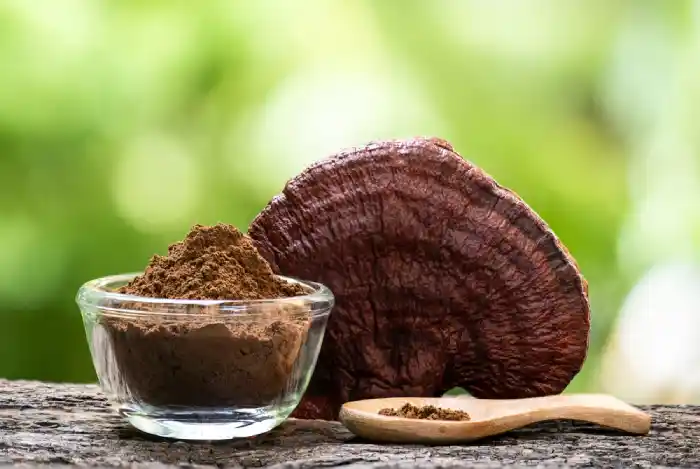
The fungus that turns ants into zombies has captured the world’s imagination, but how real is the human threat? If you’ve watched “The Last of Us”, you’ve encountered the nightmare version of Cordyceps: A fungus that takes over the human brain and turns people into aggressive, mindless beings. It’s terrifying and visceral, with a very loose basis in real biology. But how close is fiction to reality? Could “Cordyceps mushroom” ever actually infect humans? Let’s separate science from horror. What Is Cordyceps, Really? Cordyceps is a genus of parasitic fungi with over 600 known species. In nature, it infects insects, most famously ants of the ‘Ophiocordyceps unilateralis’ species complex. The fungus takes over an ant’s body, alters its behavior with disturbing accuracy, compelling it to climb to a specific height on a plant, and then kills it, sprouting a spore-releasing stalk from its head. It sounds like science fiction. It is in fact, science. But here’s the important detail: “each Cordyceps species is highly specific to its host.” The Cordyceps that infects ants cannot infect beetles. The strain that infects beetles cannot infect moths. Millions of years of co-evolution have finely tuned each species to one narrow host. This specificity is why scientists are largely unconcerned about a potential human outbreak. The Biology of Why Humans Are Safe The human body is a very hostile environment for Cordyceps fungi. Several biological barriers make infection nearly impossible with known strains: 1. Body Temperature Humans maintain a core temperature of around 37°C (98.6°F). Most fungi that infect insects, including Cordyceps, prefer the cooler temperatures found in insect bodies. Our warmth serves as a natural barrier. This is one reason why warm-bloodedness is thought to have developed partly as a defense against fungal pathogens. 2. Immune System Complexity The human immune system is far more complex than that of an insect. It has layered adaptive immunity, a strong inflammatory response, and specialized cells that can recognize and destroy fungal invaders. For Cordyceps to infect a human, it would need to evade all these defenses at once, a nearly impossible evolutionary leap. 3. Neurological Incompatibility The “zombie ant” behavior occurs through chemical manipulation of the insect’s relatively simple nervous system. The human brain, with its 86 billion neurons and incredible complexity, is quite different. The biochemical tools Cordyceps uses to control ant behavior would not affect human neurology meaningfully. 4. No Evolutionary Incentive Evolution does not plan; it stumbles. For Cordyceps to develop the ability to infect humans, it would need thousands of generations of random mutations, each granting a survival advantage. There is no pathway for an insect fungus to encounter enough humans, in a suitable reproductive context, to develop traits specific to humans. What About Fungi That Can Infect Humans? It’s important to note that some fungal species do cause diseases in humans, including Candida auris, Aspergillus fumigatus, and Cryptococcus neoformans. These are opportunistic pathogens, meaning they typically only cause serious illness in those with weakened immune systems, such as people undergoing chemotherapy, living with HIV/AIDS, or taking immunosuppressive drugs. Even these fungi, which have had much more contact with human biology than Cordyceps, can’t initiate the kind of behavior transformations seen in fiction. Fungal brain infections in humans cause swelling, confusion, and organ failure. They do not create coordinated zombie-like behavior. Neurobiology just doesn’t work that way. The Wellness Side of the Story: Cordyceps as Medicine Here’s the fascinating opposite: while wild Cordyceps is a parasite, humans have been intentionally using it for centuries and thriving. “Cordyceps Mushroom” has a long history in Traditional Chinese and Tibetan medicine, valued for its effects on stamina, lung function, and vitality. Historically, it was so rare and expensive, harvested from caterpillar hosts at high Himalayan altitudes, that it was reserved for emperors and elite athletes. Today, the wellness industry has made Cordyceps much more accessible, mostly through two cultivated species: Cordyceps militaris and Cordyceps sinensis. “Cordyceps Powder” “Cordyceps powder” is one of the most popular forms for daily use. It’s made by drying and grinding the fruiting body or mycelium and can be stirred into coffee or smoothies, or taken in capsule form. Athletes and biohackers use it for its potential to increase ATP production and improve oxygen use benefits backed by some early research. Key potential benefits linked with Cordyceps powder include: – Increased aerobic endurance and less fatigue – Support for healthy testosterone levels and libido – Anti-inflammatory properties – Immune system support – Regulation of blood sugar “Cordyceps Extracts” For those seeking more concentrated benefits, Cordyceps extracts offer a stronger option. Through hot water or dual (water + alcohol) extraction, bioactive compounds especially polysaccharides, beta glucans, and cordycepin are isolated into a more usable form. Cordycepin (3 deoxyadenosine), one of the main active compounds in Cordyceps extracts, has drawn significant scientific interest. Lab studies have explored its potential antiviral, anti-tumor, and anti-inflammatory properties, although large-scale human clinical trials are still ongoing. When selecting a Cordyceps extract, look for: – Standardized levels of cordycepin and beta-glucans – Third-party testing for heavy metals and contaminants – Sourcing of fruiting body versus mycelium (fruiting bodies are generally seen as better) Could Climate Change Change the Calculus? Some scientists have raised a more nuanced concern: not that Cordyceps will suddenly infect humans, but that “rising global temperatures” could, over very long periods, drive some fungi to adapt to warmer hosts. A 2023 study found that certain fungal pathogens are already adapting to higher temperatures, possibly broadening their range of hosts. This is not a Cordyceps-specific issue, nor is it an immediate one. However, it highlights the importance of ongoing fungal research and monitoring, especially as changes in biodiversity and climate alter fungal ecosystems in ways we are just beginning to understand. The Verdict Could Cordyceps ever infect humans? Based on what science currently understands: “no, not in any real sense, and certainly not in the apocalyptic way shown in popular media”. The biological barriers temperature, immune complexity, neurological differences, and evolutionary distance are significant
Functional Mushroom Extracts: Benefits, Applications & What Sets a Great Extract Apart
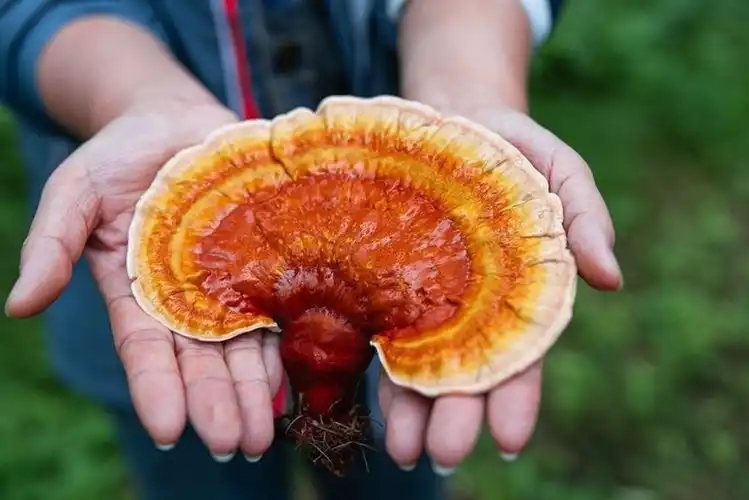
Functional mushrooms are no longer confined to just the wellness aisle. Peer-reviewed research now points towards how these fascinating fungi can benefit the brain, heart, gut, and the immune system. Brands focusing on functional mushrooms are experiencing tremendous growth. Functional mushrooms are species of fungi that are renowned for their health-promoting effects, which extend beyond basic nutrition. Unlike psychedelic mushrooms, these varieties do not affect consciousness but instead contain specific bioactive compounds like beta-glucans, terpenoids, antioxidants and polysaccharides that boost the immune system, promote brain health and help energy metabolism. At Azoth Biotech, we manufacture and extract these bioactive compounds via a unique patented water-extraction process that creates 100% alcohol-free, water-soluble extracts suitable for use in all product formats including capsules, beverages, functional foods and cosmeceuticals. The Key Benefits of Functional Mushroom Extracts Brain Health & Cognitive Function The go-to functional mushroom for cognitive support is Lion’s Mane (Hericium erinaceus). Active compounds found in Lion’s Mane called hericenones and erinacines have been observed to stimulate Nerve Growth Factor (NGF) which helps regenerate and promote the health of brain cells. The impact on cognition was illustrated in randomized human trials wherein older adults suffering from mild cognitive impairment experienced improvements in some cognitive scores following a 16 week Lion’s Mane regimen. Other studies note that improvements in sleep quality and mood are experienced by some users in certain demographics when taking Lion’s Mane on a daily basis. As a key ingredient in nootropic blends, focus products, and all types of brain health supplements, Lion’s Mane extract has become an essential product component for all supplement brands looking to leverage it. Immune Support & Inflammation Control Reishi (Ganoderma lucidum) is one of the most studied immunomodulatory mushrooms known globally. Clinical research supports its role in immune function through modulation of cytokine production, leading to an attenuation of excessive inflammatory responses characteristic of autoimmune conditions. Reishi extract has been used for medicinal purposes for over two millennia in Asia and contains bioactive compounds like triterpenoids and polysaccharides which support the immune system (both innate and adaptive) and also exhibit antioxidative and anti-inflammatory properties. As an ingredient, Reishi extract remains one of the strongest science-backed options in immune-support and daily wellness supplements. Energy, Stamina & Athletic Performance Cordyceps militaris provides the brain and body with an answer to the need for clean energy without the use of stimulants. The effects on sports performance were documented in human trials showing improved athletic endurance (VO2 max, ventilatory threshold, time to exhaustion, and peak power output) in healthy subjects taking Cordyceps on a daily basis for a number of weeks. These findings confirm its long-standing reputation for enhancing stamina and oxygen utilization. It’s easy to see why Cordyceps extract is a standout ingredient in sports nutrition brands, pre-workouts and energy drinks. Gut Health & Microbiome Resilience Prebiotic benefits of functional mushroom extracts are increasingly being explored. Beta-glucans, abundantly present in mushrooms, act as selectively nourishing food for beneficial gut microbes. This selective feeding supports overall gut diversity and microbiome resilience. In a human study conducted in 2025, researchers observed a nearly 30% increase in microbiome recovery post-antibiotic use with Turkey Tail supplementation as opposed to a placebo, indicating its role in supporting the gut’s natural balance. Stress Adaptation & Hormonal Balance Functional mushrooms, and specifically Reishi and Lion’s Mane, are classified as adaptogens due to their ability to modulate the body’s stress response. Reishi, in particular, has demonstrated a capacity to reduce cortisol levels in subjects experiencing stressful situations, making it a prime candidate for use in stress support, sleep and mood balance supplements. Antioxidant & Anti-Aging Properties Mushrooms are rich sources of antioxidants, polysaccharides, triterpenoids, and potential antiviral compounds which have all been found to stimulate endogenous antioxidants and enzymes. These findings have led to a better understanding of how mushrooms may help in the prevention of diseases like hypertension and cancer. These antioxidant and anti-aging properties are driving their adoption within the cosmeceutical space – another market Azoth Biotech caters to. Why Extract Quality Changes Everything There is significant variability among functional mushroom products. Raw mushroom powder typically has its active compounds trapped within chitin cell walls which are very difficult for the body to break down. However, a high-quality extract transforms these raw mushrooms by concentrating the active ingredients and making them readily bioavailable to the body. When assessing a functional mushroom extract, some key considerations to take into account include whether the fruit body or mycelium was used (fruit body extracts generally possess higher active compounds), and the presence of specified percentages of beta-glucan in the product. Choosing organic, third-party tested products is also crucial for avoiding fillers and contaminants. Multiple studies investigating the differences between fruit body and mycelium of the same mushroom strain indicated higher beta-glucans, total phenolics and triterpenes content in the fruit bodies which is further amplified during the preparation of high-quality mushroom extracts. Each Azoth Biotech extract is manufactured using only the fruiting body, patented water-extraction methods, thoroughly tested on a per-batch basis, and supported with detailed COAs. No fillers, no residue from alcohol, and no corners cut. Where Functional Mushroom Extracts Are Used The fields in which these extracts can be applied have expanded tremendously. Today, you will find functional mushroom extracts integrated into the formulations of a vast array of products, including daily wellness supplements, mushroom-based coffees and functional beverages, sports nutrition products and protein shakes, functional foods and baked goods, tinctures that support adaptation and stress management, and cosmeceuticals such as skincare serums and creams. Today, over one-third of all new wellness products feature a mushroom extract formulation, helping brands branch out beyond traditional pills to offer benefits through coffee blends, nutrition bars, and other infused foods. Azoth Biotech: Functional Mushroom Extracts Built for Brands As India’s sole FSSAI and Ayush approved manufacturer of functional mushroom extracts, Azoth Biotech provides premium qualityLion’s Mane, Reishi and Cordyceps extracts to nutraceutical brands, beverage companies, sports nutrition producers and cosmeceutical manufacturers in India and across the world.