
Understanding Beta-Glucans in Mushroom Extracts
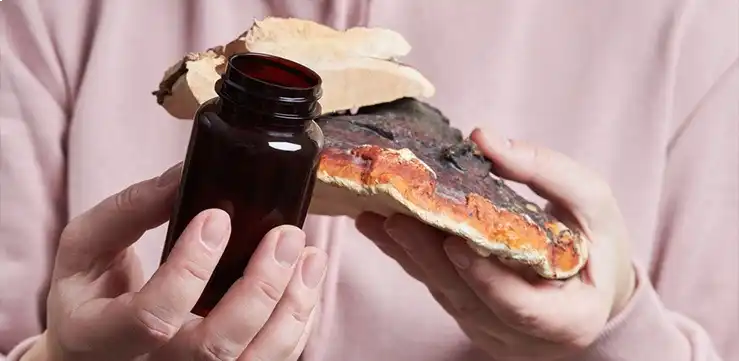
Beta-glucans are among the most important functional compounds found within medicinal mushrooms and remain central to the development of high-quality mushroom extracts across nutraceutical and wellness industries. Naturally occurring within fungal cell walls, mushroom beta glucan refers to a class of complex polysaccharides associated with immune modulation, biological signaling, and overall functional activity. Mushrooms such as Turkey Tail, Lion’s Mane, Shiitake, Maitake, and Reishi are particularly valued for their mushroom beta glucan content and extraction potential. The concentration and accessibility of beta-glucans are heavily influenced by cultivation methods, raw material quality, and extraction technology. Because these compounds remain embedded within chitin-rich cellular structures, extraction becomes essential for improving solubility, concentration, and formulation performance. At Azoth, water-soluble extraction systems are designed to preserve naturally occurring mushroom polysaccharides without the use of alcohol-based solvents. Controlled extraction parameters allow for greater consistency, cleaner ingredient profiles, and compatibility across powders, beverages, capsules, gummies, and advanced wellness formulations. As the functional mushroom category continues to evolve, beta-glucan standardization has become an increasingly important marker of extract quality and manufacturing integrity. Analytical testing, traceability, and process control are now essential components in the production of scientifically standardized mushroom ingredients. Beyond wellness applications, beta-glucans are expected to play a growing role across functional foods, biotechnology, cosmetics, and preventive health formulations as demand for clinically informed natural ingredients continues to expand globally.