
From Fruiting Body to Finished Extract
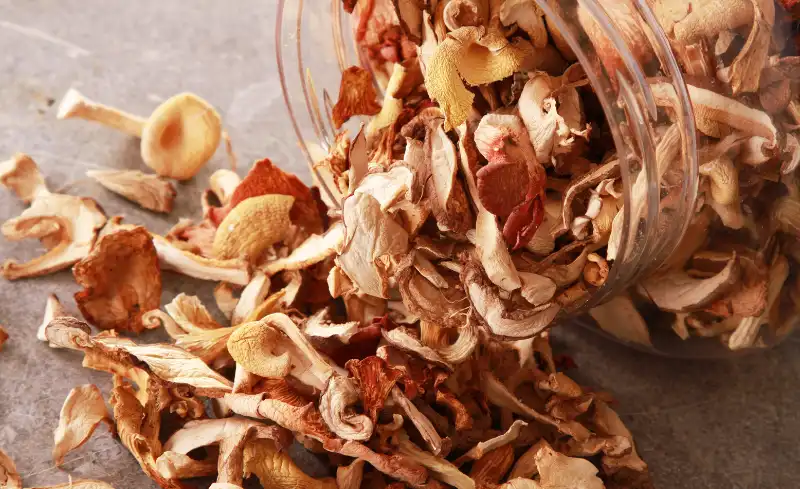
The quality of a mushroom extract is determined long before extraction begins. Cultivation conditions, raw material integrity, post-harvest processing, and extraction methodology collectively define the stability, purity, and functionality of the final ingredient. At Azoth, manufacturing begins with controlled cultivation of fruiting bodies selected for consistency, traceability, and optimized bioactive development. Environmental regulation throughout the growth cycle allows for greater control over contamination, potency, and batch uniformity. Following harvest, fruiting bodies undergo drying and particle reduction prior to entering controlled extraction systems. Through solvent-free, water-soluble extraction processes, mushroom compounds are isolated and concentrated into highly functional ingredient formats suitable for nutraceutical, beverage, cosmetic, and wellness applications. Vertical integration across cultivation, extraction, concentration, and ingredient processing enables tighter manufacturing oversight and improved quality assurance throughout production. This approach supports analytical consistency, microbial integrity, and scalable formulation capabilities for both B2B and consumer-facing applications. As one of India’s emerging end-to-end mushroom extract manufacturers, Azoth is focused on advancing cleaner extraction technologies and scientifically standardized ingredient systems designed for the next generation of functional wellness products. From fruiting body cultivation to finished extract, the objective remains the same: producing highly functional mushroom ingredients with uncompromising process control, transparency, and formulation performance.
Top manufacturers of cordyceps militaris mushroom in India
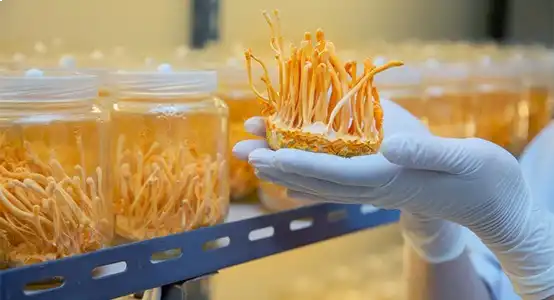
Looking for a Trusted Functional Mushroom Manufacturer in India? The global demand for medicinal mushrooms is growing fast and brands that get their ingredient sourcing right are the ones that win. Whether you’re formulating a Cordyceps mushroom supplement, launching a line of functional mushroom drinks, or developing a nutraceutical with Cordyceps extracts, the quality of your raw material defines everything. That’s where Azoth Biotech comes in India’s most trusted functional mushroom manufacturer, bringing together patented extraction science, regulatory credibility, and consistent B2B supply under one roof. What Is Cordyceps Militaris – And Why Does It Matter? If you’re serious about building a premium health product, Cordyceps militaris deserves a place in your formulation strategy. Cordyceps militaris is an extremely potent adaptogen and has been used for more than 1000 years in both traditional Tibetan and Chinese medicine. Cordyceps was something that only the emperor could consume in ancient times, and was thus referred to as “soft gold,” but today it can be produced indoors commercially for health products companies. Unlike wild-harvested Cordyceps sinensis, which is scarce, expensive, and prone to adulteration, commercially grown Cordyceps militaris delivers predictable potency and a clean, traceable supply chain. As a medicinal mushroom manufacturer, Azoth Biotech works exclusively with cultivated C. militaris fruiting bodies – the gold standard for bioactive quality. What Does Cordyceps Actually Do? Cordyceps powder and extracts are rich in four core bioactive compounds – cordycepin, adenosine, beta-glucans, and ergosterol, each backed by a growing body of peer-reviewed research. This breadth of functionality is why Cordyceps mushroom has become one of the most versatile ingredients in the functional health space and why leading brands are actively looking for reliable functional mushroom manufacturers to partner with. Why Azoth Biotech Is India’s Go-To Functional Mushroom Manufacturer There are many suppliers of mushroom ingredients out there; however, there are very few that work up to the standards of high-end brands. Let me tell you about Azoth Biotech. Applications: Where Can You Use Azoth’s Cordyceps Extracts? Azoth Biotech’s Cordyceps mushroom extracts are formulation-friendly across a wide range of product categories: Frequently Asked Questions Azoth holds dual FSSAI and Ayush approvals, uses patented solvent-free extraction, operates vertically integrated farms, and provides batch-level COAs – making them one of the most credible functional mushroom manufacturers in India. Cordyceps powder is typically a dried, ground form of the fruiting body with minimal processing. Cordyceps extracts are concentrated through a hot water or dual extraction process, delivering significantly higher levels of cordycepin, adenosine, and beta-glucans per gram – better suited for clinical-strength formulations. If you’re sourcing Cordyceps militaris supplements from India, the smartest route is going directly to a verified manufacturer rather than a reseller or marketplace listing. Azoth Biotech is one of India’s most trusted sources – the only medicinal mushroom manufacturer in India with dual FSSAI and Ayush approval. They supply premium Cordyceps militaris extracts and Cordyceps powder directly to supplement brands, nutraceutical companies, and functional food manufacturers with batch-level COAs, white label options, and a 24-hour response time. Request a sample or quote at azothbiotech.com With so many suppliers in the market, here’s what actually separates a quality Cordyceps militaris manufacturer from the rest: Regulatory Certifications – Look for FSSAI and Ayush certifications. At present, Azoth Biotech is the only mushroom manufacturing company in India that has both. Extracting From Fruiting Body – The extracts made from the fruiting body have much higher levels of cordycepin and beta-glucan. Ensure that the supplier isn’t diluting mycelium-on-grain extract. Clean Extraction Process – A solvent-free, water-based extraction means a cleaner, more bioavailable Cordyceps extract is ideal for supplements, functional mushroom drinks, and clean-label products. Batch-Level COA – Never order without one. A reliable manufacturer provides detailed Certificates of Analysis for every single batch. White Label & Formulation Support – The best partners don’t just supply powder – they help you build better products. Is Azoth’s extract suitable for functional mushroom drinks? Yes. Because Azoth’s Cordyceps extracts are 100% water-soluble and alcohol-free, they dissolve cleanly in beverages – making them ideal for functional mushroom drinks, teas, coffees, and liquid supplement formats. Do you offer white label or private label manufacturing? Yes – Azoth supports white label production, contract manufacturing, and custom formulation development from the ground up. How do I get started? Visit azothbiotech.com – the team responds within 24 hours.
Azoth Biotech Receives Dual Regulatory Approval From FSSAI & the Ministry of Ayush
When a health brand says “trust us” – what actually backs that up? For Azoth Biotech, the answer is clear: formal recognition from two of India’s most authoritative regulatory bodies – the Food Safety and Standards Authority of India (FSSAI) and the Ministry of Ayush, Government of India. This dual approval isn’t just a business milestone. It’s a public commitment to every brand, practitioner, and consumer who chooses Azoth Biotech as their medicinal mushroom manufacturer and nutraceutical partner. What Does FSSAI Approval Actually Mean? The FSSAI is India’s apex food regulatory authority, established under the Food Safety and Standards Act, 2006. When a nutraceutical or supplement manufacturer receives FSSAI approval, it confirms: For B2B buyers and supplement brands, this means every Azoth Biotech ingredient you source has been independently verified not just claimed. What Does the Ministry of Ayush Approval Mean? The Ministry of Ayush governs Ayurveda, Yoga, Unani, Siddha, and Homeopathy systems across India. Their approval confirms that Azoth Biotech’s Ayurvedic formulations: This isn’t a generic herbal certification. It’s expert validation of genuine Ayurvedic science. How Azoth Biotech Earned Both Approvals Dual approval from two independent regulatory bodies means two separate, rigorous review processes. Here’s the framework that made it possible: Scientific Formulation – Every product is developed with both classical Ayurvedic precedence and current peer-reviewed research as its foundation. Raw Material Integrity – All ingredients undergo multi-stage testing including heavy metal analysis, microbial contamination checks, and pesticide residue screening before entering the facility. GMP Manufacturing – Good Manufacturing Practice protocols are followed at every stage from raw material receipt to finished product packaging – with full batch documentation and traceability. Transparent Labelling – No hidden ingredients. No misleading claims. What’s on the label is exactly what’s inside. Regulatory Dossier Submission – Comprehensive documentation including product compositions, clinical rationale, safety data, manufacturing SOPs, and label copies was submitted to both FSSAI and the Ministry of Ayush for independent expert review. Why This Matters for Brands Sourcing From Azoth India’s wellness and nutraceutical market is flooded with unverified suppliers. Choosing a dual-certified functional mushroom manufacturer like Azoth Biotech means: As Azoth Biotech puts it: “India’s wellness market deserves better sourcing, better science, and better accountability. That is the standard we hold ourselves to – and these certifications prove we are meeting it.” What’s Next for Azoth Biotech For Azoth Biotech, regulatory approval is a baseline not a ceiling. The company continues to: Every future product will be held to the same or higher standards that earned these certifications. FAQs Is Azoth Biotech FSSAI approved? Yes. Azoth Biotech holds formal FSSAI approval, confirming full compliance with India’s national food safety and nutraceutical standards. Does Azoth Biotech have Ayush approval? Yes. Azoth is formally approved by the Ministry of Ayush making it one of the very few medicinal mushroom manufacturers in India with dual regulatory recognition. What does GMP certification mean for a mushroom extract manufacturer? GMP (Good Manufacturing Practice) certification means every stage of production from raw material sourcing to packaging follows documented, auditable quality protocols ensuring consistency and safety batch after batch. Can I source white label nutraceuticals from Azoth Biotech? Yes. Azoth offers white label and contract manufacturing services backed by full regulatory compliance.
Could Cordyceps Ever Infect Humans?
The fungus that turns ants into zombies has captured the world’s imagination, but how real is the human threat? If you’ve watched “The Last of Us”, you’ve encountered the nightmare version of Cordyceps: A fungus that takes over the human brain and turns people into aggressive, mindless beings. It’s terrifying and visceral, with a very loose basis in real biology. But how close is fiction to reality? Could “Cordyceps mushroom” ever actually infect humans? Let’s separate science from horror. What Is Cordyceps, Really? Cordyceps is a genus of parasitic fungi with over 600 known species. In nature, it infects insects, most famously ants of the ‘Ophiocordyceps unilateralis’ species complex. The fungus takes over an ant’s body, alters its behavior with disturbing accuracy, compelling it to climb to a specific height on a plant, and then kills it, sprouting a spore-releasing stalk from its head. It sounds like science fiction. It is in fact, science. But here’s the important detail: “each Cordyceps species is highly specific to its host.” The Cordyceps that infects ants cannot infect beetles. The strain that infects beetles cannot infect moths. Millions of years of co-evolution have finely tuned each species to one narrow host. This specificity is why scientists are largely unconcerned about a potential human outbreak. The Biology of Why Humans Are Safe The human body is a very hostile environment for Cordyceps fungi. Several biological barriers make infection nearly impossible with known strains: 1. Body Temperature Humans maintain a core temperature of around 37°C (98.6°F). Most fungi that infect insects, including Cordyceps, prefer the cooler temperatures found in insect bodies. Our warmth serves as a natural barrier. This is one reason why warm-bloodedness is thought to have developed partly as a defense against fungal pathogens. 2. Immune System Complexity The human immune system is far more complex than that of an insect. It has layered adaptive immunity, a strong inflammatory response, and specialized cells that can recognize and destroy fungal invaders. For Cordyceps to infect a human, it would need to evade all these defenses at once, a nearly impossible evolutionary leap. 3. Neurological Incompatibility The “zombie ant” behavior occurs through chemical manipulation of the insect’s relatively simple nervous system. The human brain, with its 86 billion neurons and incredible complexity, is quite different. The biochemical tools Cordyceps uses to control ant behavior would not affect human neurology meaningfully. 4. No Evolutionary Incentive Evolution does not plan; it stumbles. For Cordyceps to develop the ability to infect humans, it would need thousands of generations of random mutations, each granting a survival advantage. There is no pathway for an insect fungus to encounter enough humans, in a suitable reproductive context, to develop traits specific to humans. What About Fungi That Can Infect Humans? It’s important to note that some fungal species do cause diseases in humans, including Candida auris, Aspergillus fumigatus, and Cryptococcus neoformans. These are opportunistic pathogens, meaning they typically only cause serious illness in those with weakened immune systems, such as people undergoing chemotherapy, living with HIV/AIDS, or taking immunosuppressive drugs. Even these fungi, which have had much more contact with human biology than Cordyceps, can’t initiate the kind of behavior transformations seen in fiction. Fungal brain infections in humans cause swelling, confusion, and organ failure. They do not create coordinated zombie-like behavior. Neurobiology just doesn’t work that way. The Wellness Side of the Story: Cordyceps as Medicine Here’s the fascinating opposite: while wild Cordyceps is a parasite, humans have been intentionally using it for centuries and thriving. “Cordyceps Mushroom” has a long history in Traditional Chinese and Tibetan medicine, valued for its effects on stamina, lung function, and vitality. Historically, it was so rare and expensive, harvested from caterpillar hosts at high Himalayan altitudes, that it was reserved for emperors and elite athletes. Today, the wellness industry has made Cordyceps much more accessible, mostly through two cultivated species: Cordyceps militaris and Cordyceps sinensis. “Cordyceps Powder” “Cordyceps powder” is one of the most popular forms for daily use. It’s made by drying and grinding the fruiting body or mycelium and can be stirred into coffee or smoothies, or taken in capsule form. Athletes and biohackers use it for its potential to increase ATP production and improve oxygen use benefits backed by some early research. Key potential benefits linked with Cordyceps powder include: – Increased aerobic endurance and less fatigue – Support for healthy testosterone levels and libido – Anti-inflammatory properties – Immune system support – Regulation of blood sugar “Cordyceps Extracts” For those seeking more concentrated benefits, Cordyceps extracts offer a stronger option. Through hot water or dual (water + alcohol) extraction, bioactive compounds especially polysaccharides, beta glucans, and cordycepin are isolated into a more usable form. Cordycepin (3 deoxyadenosine), one of the main active compounds in Cordyceps extracts, has drawn significant scientific interest. Lab studies have explored its potential antiviral, anti-tumor, and anti-inflammatory properties, although large-scale human clinical trials are still ongoing. When selecting a Cordyceps extract, look for: – Standardized levels of cordycepin and beta-glucans – Third-party testing for heavy metals and contaminants – Sourcing of fruiting body versus mycelium (fruiting bodies are generally seen as better) Could Climate Change Change the Calculus? Some scientists have raised a more nuanced concern: not that Cordyceps will suddenly infect humans, but that “rising global temperatures” could, over very long periods, drive some fungi to adapt to warmer hosts. A 2023 study found that certain fungal pathogens are already adapting to higher temperatures, possibly broadening their range of hosts. This is not a Cordyceps-specific issue, nor is it an immediate one. However, it highlights the importance of ongoing fungal research and monitoring, especially as changes in biodiversity and climate alter fungal ecosystems in ways we are just beginning to understand. The Verdict Could Cordyceps ever infect humans? Based on what science currently understands: “no, not in any real sense, and certainly not in the apocalyptic way shown in popular media”. The biological barriers temperature, immune complexity, neurological differences, and evolutionary distance are significant
Best Mushroom Manufacturer Company in India
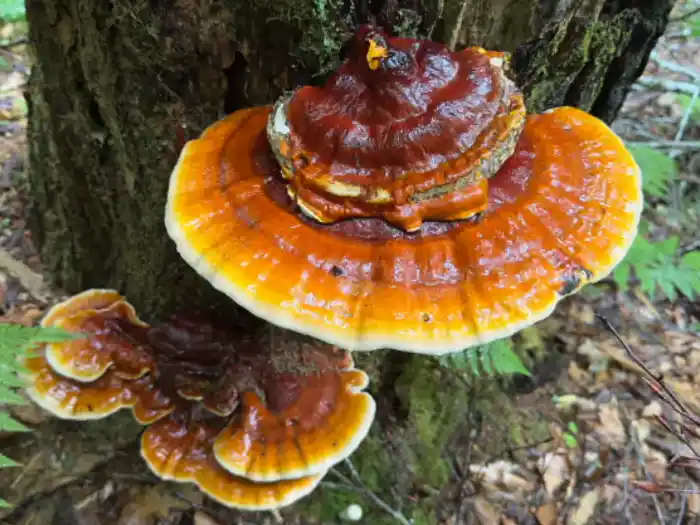
India’s functional mushroom market has moved from a niche to a major force. What started with traditional Ayurvedic practices and simple rural cultivation has quickly become one of the world’s fastest-growing segments in the wellness sector. This market is projected to hit a massive $1,433.8 million by 2030, with a 10.9% annual growth rate from 2024 to 2030. For brands in the nutraceutical, functional food, and wellness supplement space, this growth clearly means that partnering with the right Indian mushroom manufacturer is a crucial business decision. However, the rapid growth of this market has led to a surge in mushroom companies in India, with quality varying significantly. Knowing which companies are leading the pack and what truly makes a mushroom manufacturer trustworthy is vital for any brand looking to create successful products. Why India Is Becoming a Hub for Mushroom Manufacturing India’s emergence as a key player in mushroom production and processing is no accident. It’s due to a mix of excellent farming conditions, a long history of using medicinal plants, and growing investments in biotechnology. The Indian mushroom market was valued at around $613.56 million in 2024 and is expected to grow at a healthy 12.50% CAGR up to 2033. This is thanks to increased health consciousness, a rising number of vegetarians, growing demand for plant-based protein, and expanding uses of mushrooms in nutraceuticals. Several factors are driving the boom in medicinal and functional mushroom companies: * Ayurvedic heritage: Mushrooms like Reishi have been used in Indian and Ayurvedic wellness practices for centuries, giving them a strong foundation of consumer acceptance and practitioner interest. * Government support: In January 2025, the Bihar government actively promoted mushroom farming as a profitable business by providing financial assistance and training, including a scheme that covers half of the initial setup costs for mushroom cultivation units. * Expanding applications: Mushroom extracts are now more than just supplements. Indian mushroom companies are supplying ingredients for functional beverage brands, cosmeceuticals, sports nutrition, and pharmaceuticals, all growing sectors that require high-quality, standardized extracts. Beyond just food, mycelium’s strength is being leveraged in sustainable materials for construction, insulation, and fashion, highlighting mushrooms’ expanding importance across multiple industries. What to Look for in a Mushroom Manufacturer in India Before we delve into specific companies, let’s outline what you should consider when evaluating a B2B mushroom manufacturer or mushroom grower. Not all suppliers are the same, and there’s a big difference between someone who sells bulk powder and someone who produces precision extracts. 1. Extraction Technology and Bioavailability The single most important factor that distinguishes mushroom manufacturers is their extraction process. Raw mushroom powder and a quality extract are worlds apart. Extracts offer greater potency and absorption than powders, and the extraction process helps to break down chitin (the tough outer cell wall), making beneficial compounds more accessible and measurable. The extraction method is crucial. Many manufacturers use alcohol-based solvents, which can limit the product’s use in beverages, food products, or alcohol-free formulations. The most advanced mushroom manufacturers use water-based extraction technology, preserving the full range of bioactive compounds while ensuring the extract can be used in virtually any product format. 2. Standardization and Verified Bioactives The value of a mushroom extract is determined by its active compounds. Beta-glucans, hericenones, erinacines, cordycepin, and triterpenes are the bioactive molecules that contribute to the health benefits of functional mushrooms. The best mushroom companies test and verify these compounds in every batch, providing Certificates of Analysis (COAs) to their partners. Without standardization, a brand can’t know what’s actually in their product. Alarmingly, around 74% of reishi mushroom supplements on the market reportedly contain no actual reishi mushrooms, making it clear that sourcing from verified, testing-focused mushroom manufacturers is a must for brand protection. 3. Regulatory Certifications Regulatory compliance is essential for both the Indian market and for export. Reputable mushroom companies will possess recognized certifications that attest to their safety, quality, and process integrity. Key certifications to look for include FSSAI approval, Ministry of Ayush recognition, ISO certification, HACCP, and GMP compliance. These certifications are not just bureaucratic requirements; they demonstrate that a mushroom manufacturer has implemented quality control systems throughout their production. 4. Vertical Integration and Supply Chain TransparencyThe most reliable mushroom manufacturers control the entire process, from cultivation to extraction. Vertically integrated companies that grow, process, and extract mushrooms in a controlled environment can guarantee consistency in a way that third-party aggregators cannot. This also leads to shorter lead times, better traceability, and the ability to respond quickly to a brand partner’s specific needs. 5. Species Expertise and DNA-Verified Strains Not all mushroom strains are equal in potency. The best mushroom growers use their own specialized, DNA-tested fungal strains that have been selected for optimal bioactive content. This is particularly important for medicinal species like Lion’s Mane, Reishi, and Cordyceps, where strain variation can significantly impact the concentration of active compounds. Categories of Mushroom Companies in India India’s mushroom industry can be divided into several categories. Understanding these distinctions helps brands make better sourcing decisions: * Fresh Mushroom Growers: India has a large number of mushroom growers who produce culinary varieties like button, oyster, shiitake, and milky mushrooms. Button mushrooms are the most popular due to their affordability and widespread use in the food service and retail sectors, with production concentrated in North India, where conditions are favorable. These are not the right partners for brands looking for functional extracts. * Functional and Medicinal Mushroom Extract Manufacturers: This is the category most relevant to nutraceutical, supplement, and functional food brands. These companies specialize in growing species such as Lion’s Mane (Hericium erinaceus), Reishi (Ganoderma lucidum), and Cordyceps militaris under controlled conditions and processing them into standardized extracts for B2B supply. The long history of mushrooms in Ayurveda has paved the way for their acceptance in India, and leading companies are heavily investing in R&D to develop new products and expand their reach. * Consumer Mushroom Brands: Several Indian companies have successfully launched their own direct-to-consumer mushroom supplement
Benefits of Cordyceps Militaris: The Athlete’s Mushroom and Nature’s Energy Booster
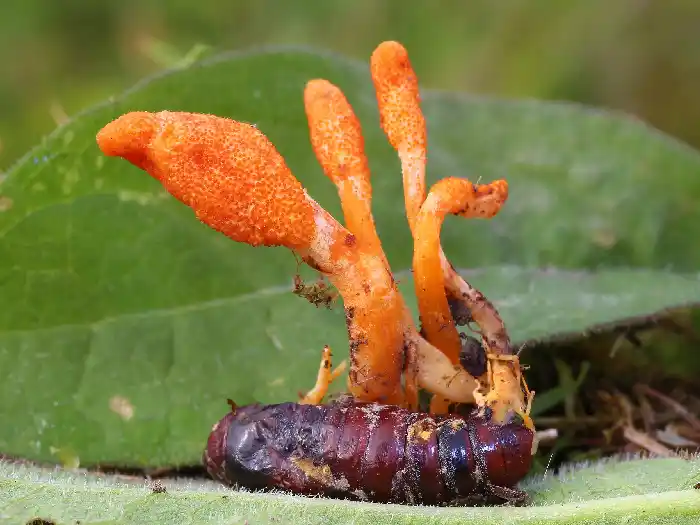
The Himalayan Powerhouse Goes Mainstream. Cordyceps, which was initially discovered growing on caterpillar larvae in high altitudes in the Himalayas and Tibetan Plateau, has a long history of use in the Traditional Chinese Medicine (TCM) to improve vitality, fight fatigue and increase longevity. Cultivated Cordyceps militaris, the commercially viable analogue of the wild Cordyceps sinensis, is now providing the same incredible benefits, at a sustainable, cost-effective price. Using state of the art biotechnology, Azoth Biotech grows and extracts Cordyceps militaris to manufacture consistent, high-cordycepin extracts to the sports nutrition, nutraceutical and functional food market. The Bioactive Compounds in Cordyceps Militaris. Cordycepin (3′-deoxyadenosine) – the bioactive marker, associated with energy, immunity, and anti-tumor activity. • Adenosine – helps maintain the heart and the use of oxygen. • Beta-glucans – immune-modulating polysaccharides • Ergosterol – a precursor of Vitamin D2. • Mannitol – offers antioxidant and renal protective properties. Best Cordyceps Militaris Benefits. The first one is improved athletic performance and VO2 max. Several clinical trials demonstrate that Cordyceps militaris supplementation profoundly enhances maximal oxygen uptake (VO2 max) which is one of the key measures of aerobic fitness. Cordyceps improves oxygen flow to muscles and aid in the production of ATP, thus enabling athletes to train more, recuperate more quickly, and perform more intensely. This renders it a more and more well-liked part of pre-workout, endurance, and sports recovery formulations. Anti-Fatigue and Energy Amplification 2. Cordycepin has a direct effect on the work of mitochondria – energy-producing organelles in cells. Clinically, Cordyceps militaris decreases fatigue, increases physical recovery following strenuous activity by elevating ATP production and decreasing oxidative stress in muscle tissue. 3. Immune System Modulation Cordyceps beta-glucans and cordycepin stimulate natural killer (NK) cells and macrophages – which are essential parts of innate immunity. Cordyceps is an immune modulator unlike the simple immune stimulants and it boosts the immune system of the body only when required and balances it to avoid over-stimulation. 4. Sexual Health and Libido Support. Historically Cordyceps has served as a natural aphrodisiac with contemporary scientific evidence backing its effectiveness as an aphrodisiac, testosterone level modulator, sexual dysfunction and sperm quality enhancer in men and women. This will put it in a good position to develop men’s health and fertility supplement formulations. 5. Lung Function and Respiratory Health. The history of Cordyceps use in respiratory diseases such as asthma and chronic bronchitis is long. Research indicates that it dilates bronchial smooth muscle, decreases airway inflammation, and overall lung performance, which is useful in populations in high-pollution areas. 6. Blood Sugar Regulation Preclinical and early clinical studies indicate that Cordyceps militaris has the potential to be used to manage blood glucose levels by imitating the activity of insulin and enhancing insulin sensitivity – it is a promising addition in metabolic health formulations. 7. Anti-Aging and Antioxidant Properties. The Cordyceps compounds show strong free-radical scavenging properties, such as Cordycepin. Cordyceps militaris lowers oxidative stress, one of the main causes of cellular aging, and promotes healthy longevity and possibly alleviates age-related cognitive and physical impairments. 8. Liver and kidney Protection. The use of Cordyceps in traditional TCM was very much concerned with the kidney and liver tonic effects. Current studies indicate hepatoprotective (liver-protective) and nephroprotective (kidney-protective) action, especially with regard to supplement preparations aimed at metabolic detoxification and kidney well-being. 9. Anti-Tumor and Immunotherapeutic Potential. Much research attention has been given to cordycepin because it can prevent the growth of cancer cells in a variety of ways, such as causing cancer cell death (apoptosis) and suppressing the movement of tumor cells. Although this is not a medical product, this study is the basis of Cordyceps in high-end wellness and longevity products. Cordyceps Militaris vs Cordyceps Sinensis: The Brands Lose to Militaris. Cordyceps sinensis: Wild-harvested, very rare, highly expensive, variable quality, ethical issues of over-harvesting. Cordyceps militaris: Grown in controlled environments, uniform cordycepin-standardization, much cheaper, more sustainable and scalable to commercial preparations. The Cordyceps militaris extract produced by Azoth Biotech is a constant producer of high-grade cordycepin over many other wild Cordyceps sinensis products of equivalent cost. Azoth Biotech’s Cordyceps Militaris Extract: B2B Excellence • Grown on organic mediums – there is no threat of heavy metal contamination. • Extract: Minimum of 0.5 per cent cordycepin, which is confirmed by HPLC. • Comes in water extract powder, ethanol extract, or both. Ideal on: sports nutrition powders, energy drinks, capsules, functional foods. • In line with FSSAI, ISO 22000, HACCP standards. • white-label and contract manufacturing can be offered. Summary: Cordyceps Militaris The Ultimate Functional Ingredient. Gathering to create products that help athletes achieve optimal performance, professionals fight fatigue, and consumers who are health-conscious and invest in longevity, Cordyceps militaris pays off in all directions. It is one of the most multi-purpose and commercially potent mushroom extracts in the market today due to its impressive bioactive profile supported by impressive scientific research. Make Azoth Biotech your Cordyceps militaris extract partner – where science, sustainability and business excellence are one.