
Lion’s Mane Extract: The Complete Guide to Benefits, Dosage, and How It’s Made
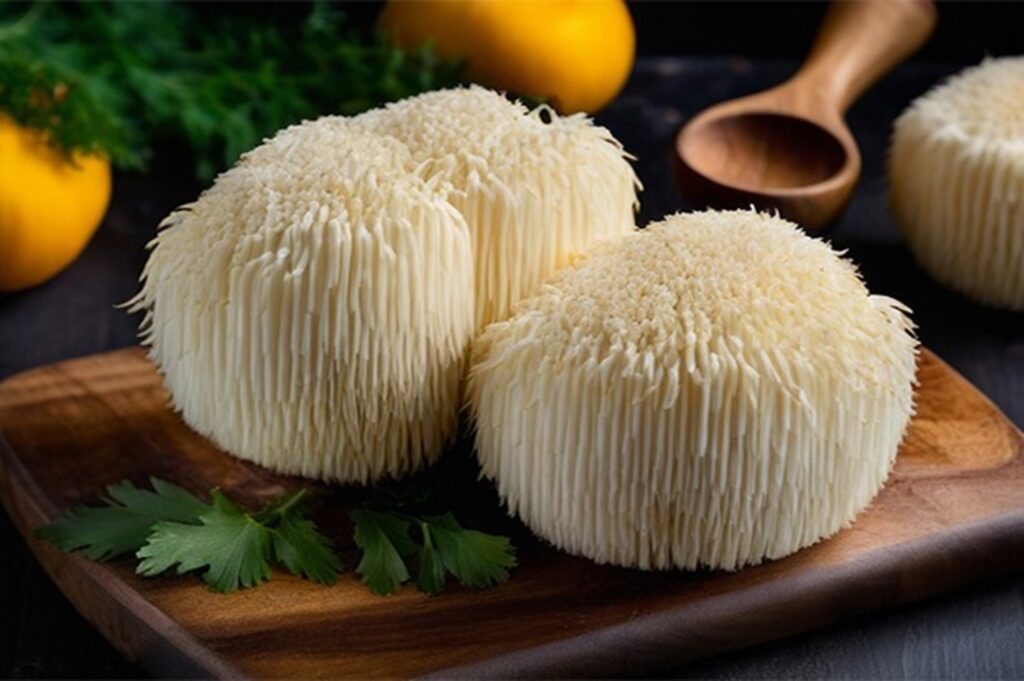
Whatever amount of research has been carried out on nootropic mushrooms, one ingredient seems to always attract attention – extract of the lion’s mane mushroom. The lion’s mane mushroom extract is commonly used in nootropic formulas, coffee blends, capsules, tinctures, etc. Among all functional mushrooms, the Hericium erinaceus probably has the most interesting history when it comes to the brain’s functioning. However, “lion’s mane extract” is not a monolithic concept, and it seems to confuse consumers on a regular basis. There are fruiting body extracts and mycelium extracts, water extracts and dual extracts, powders, tinctures, and oils, all marketed under the same heading but without any clarification of what type of extract consumers are actually purchasing. Questions like this one pop up from our partners in the brands we work with all the time: what is lion’s mane extract really, and why is one bottle three times more expensive than the loose powder right next to it? This is an issue we get to deal with on a daily basis since our company produces lion’s mane mushroom extracts in India and elsewhere for use in functional beverages, supplements, cosmetics, and other such products. The facts about this mushroom, its benefits, the extraction process, and some things you should know before purchase are given below. What Is Lion’s Mane Extract? The Lion’s Mane is a very large, white and fluffy mushroom which really resembles a lion’s mane (or a pom-pom, depending on whom you ask). It has a scientific name Hericium erinaceus and it was traditionally used as a food and medicine in East Asian cuisine for many years, especially in Japan, Korea, India and China. It is consumed either fresh or dried or cooked and is said to taste like seafood, kind of like a crab. However, the Lion’s Mane mushroom itself actually contains fairly low concentrations of these fascinating substances. Lion’s Mane Mushroom Extract is the substance extracted from the raw Lion’s Mane mushroom by means of alcohol or boiling water. The two compound families everyone’s interested in are: Both groups of compounds are being studied for their potential to stimulate nerve growth factor (NGF), a protein involved in the growth, maintenance, and survival of brain cells. This is the underlying reason lion’s mane has become the go-to mushroom for cognitive health. Lion’s Mane Extract vs. Powder: What’s the Difference? This is one of the most common questions people search before buying, and it’s a fair one raw lion’s mane mushroom powder is cheaper, so why would anyone pay more for extract? The answer comes down to bioavailability. Mushroom cell walls are made of chitin, a tough fiber that the human digestive system can’t break down efficiently. When you eat raw powder, a meaningful portion of the beneficial compounds stay locked inside those cell walls and pass through largely unused. Extraction breaks down that barrier through mechanical, chemical, or thermal and aqueous methods so that the compounds become measurable and bioavailable. Here are the lion’s mane extract versus powder differences: When it comes to the measured amount of beta-glucans, hericenones, or erinacines, extract will do better for you. If you need lion’s mane for cooking purposes only, then powder is good. How Is Lion’s Mane Extract Made? There are various ways of making lion’s mane mushroom extract, and the type of process is more important than many labels might lead one to believe. Extract from the fruiting body versus extract from mycelium. An extract from the fruiting body of lion’s mane is made using the mushroom itself – that is, the visible portion that corresponds closely with hericenones and traditional use as an edible mushroom. The mycelium extract is cultivated on a grain substrate and then harvested before the formation of the actual mushroom; it is less costly to produce, but usually also includes substrate starch along with mycelium. Water extraction versus alcohol extraction. Hot water extraction will capture water soluble compounds, mainly polysaccharides and beta-glucans, the compounds believed responsible for immune supportive effects and anti-inflammation. Alcohol (ethanol) extraction captures fat soluble compounds such as triterpenes and some erinacines. Dual Extraction Process. In the case of dual extract lion’s mane, the mushrooms go through both water and alcohol extraction processes simultaneously or one after another to obtain both groups of components in one product. Dual extracted lion’s mane is commonly regarded as the most comprehensive extract, as it avoids the need to choose between two types of compounds. The difference of the technology used by Azoth Biotech from other producers lies in the patented water extraction process that does not involve any kind of alcohol or harsh solvents, resulting in a safer product that is suitable for food and beverages production, as well as being organic lion’s mane extract. Lion’s Mane Extract Benefits: What Does the Research Actually Say? It’s worth being upfront about something here: most lion’s mane research so far comes from lab and animal studies, with only a handful of small, preliminary human trials backing it up. None of this makes lion’s mane mushroom extract a treatment for any disease, and no claim made about it has been evaluated or approved by a regulatory body. With that caveat out of the way, here’s where the current research actually points. Cognitive function and brain health That was the reason why lion’s mane became popular. In a double-blind randomized placebo-controlled trial, people with age-related cognitive decline who took lion’s mane in the form of Hericium erinaceus tablets for 16 weeks demonstrated some improvement in cognitive test scores in comparison with the placebo group. Another trial, which included young people, revealed faster processing of information in those subjects who took lion’s mane mushroom in the form of a powder. There is an assumption that the beneficial properties of lion’s mane can be attributed to the action of hericenones and erinacines that seem to promote Nerve Growth Factor production. Mood, stress, and anxiety One of the interesting trials from Japan: women with menopause-associated issues and sleep problems took cookies
Understanding Beta-Glucans in Mushroom Extracts
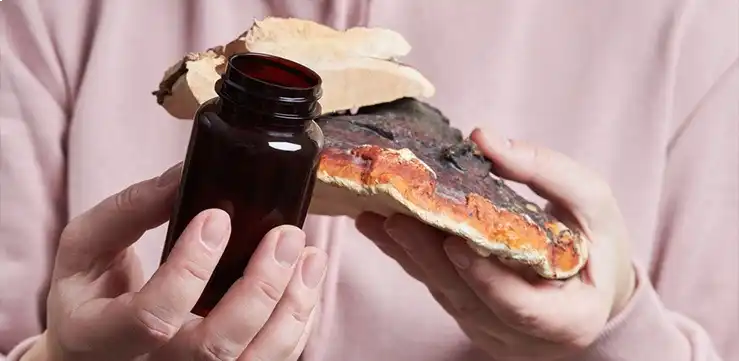
Beta-glucans are among the most important functional compounds found within medicinal mushrooms and remain central to the development of high-quality mushroom extracts across nutraceutical and wellness industries. Naturally occurring within fungal cell walls, mushroom beta glucan refers to a class of complex polysaccharides associated with immune modulation, biological signaling, and overall functional activity. Mushrooms such as Turkey Tail, Lion’s Mane, Shiitake, Maitake, and Reishi are particularly valued for their mushroom beta glucan content and extraction potential. The concentration and accessibility of beta-glucans are heavily influenced by cultivation methods, raw material quality, and extraction technology. Because these compounds remain embedded within chitin-rich cellular structures, extraction becomes essential for improving solubility, concentration, and formulation performance. At Azoth, water-soluble extraction systems are designed to preserve naturally occurring mushroom polysaccharides without the use of alcohol-based solvents. Controlled extraction parameters allow for greater consistency, cleaner ingredient profiles, and compatibility across powders, beverages, capsules, gummies, and advanced wellness formulations. As the functional mushroom category continues to evolve, beta-glucan standardization has become an increasingly important marker of extract quality and manufacturing integrity. Analytical testing, traceability, and process control are now essential components in the production of scientifically standardized mushroom ingredients. Beyond wellness applications, beta-glucans are expected to play a growing role across functional foods, biotechnology, cosmetics, and preventive health formulations as demand for clinically informed natural ingredients continues to expand globally.
7 Benefits of Lion Mushroom to the Brain, the Gut and Wellness
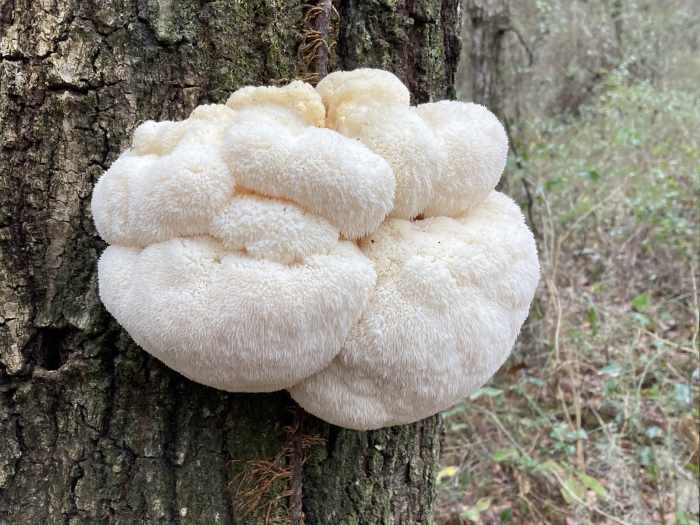
Hericium erinaceus commonly known as Lion’s Mane Mushroom has been of great interest due to its ability to aid in the health of the brain, nerves, gut, and immune system. It was traditionally employed in the Asian wellness-based approaches, but is currently researched in the context of modern and science-oriented health solutions. Lion’s Mane Mushroom is a natural substance that promotes mental clarity, brain health, and overall wellness, as well as increasing interest in functional mushrooms. What Is a Lion’s Mane Mushroom? Lion’s Mane Mushroom is an edible mushroom that is a characteristic of shaggy white color with the appearance of a lion mane. It comes in achievable forms of mushroom powder, capsules, and mushroom extracts, thus being very easy to use in day-to-day activities. Its uniqueness lies in the fact that it contains bioactive compounds such as hericenones and erinacines that are related to the support of brain health and nerve health. These are some of the main reasons why Lion’s Mane Mushroom for cognitive function and focus is popular. Such science-based functional ingredients have become increasingly important at Azoth Biotech and this is indicative of the transition to evidence-based wellness solutions. The Main Advantages of Lion’s Mane Mushroom Promotes Brain Wellness and Intelligence Among the most well-known lion’s mane mushroom benefits, there is its ability to help maintain mental clarity, memory, and focus. It may help with: However, Lion’s Mane Mushroom for brain health is a slow-acting support that benefits the brain in the long term and not in the short term. Supports Nerve Growth and Repair Lion’s Mane Mushroom is a compound that has the potential to improve nerve growth factor (NGF) that is necessary to sustain nerve cells and repair them. This makes it relevant for: This is one of the most promising studies despite the fact that research is still in progress. Promotes Mood and Emotional Stability New studies indicate that Lion’s Mane Mushroom can be used to aid emotional health and minimize mild stress. It may contribute to: Although it is not a medical intervention, it may be an additive to a healthy lifestyle. Enhances Gut and Digestive Health Lion’s Mane Mushroom for gut health is also associated with digestive health which promotes a healthy gut. Potential benefits include: As gut health is strongly associated with general wellbeing, this increases its worth as a daily supplement. Supports Immune Function Lion’s Mane Mushroom, like most of the functional mushrooms, has polysaccharides (beta-glucans) which can help to boost immune health. It may help: The Lion’s Mane Mushroom Usage Lion’s Mane Mushroom may be taken in a number of different ways: The option is based on individual preference and style of life. Dosage and Safety In order to utilize the Lion’s Mane Mushroom supplement: Others might have slight digestive disturbances. Individuals who are allergic or have medical conditions are advised to seek professional advice before taking it. Final Thoughts Lion’s Mane Mushroom is among the most potential functional mushrooms for the health of the brain, gut, and immune system. It contributes to long-term wellness, which is why it becomes a worthy supplement to contemporary health practices. With the current continuous rise in the use of natural, research-supported ingredients, firms such as Azoth Biotech are assisting in making high-quality mushroom-based solutions a top priority in the wellness sector.
What Are the Benefits of Lion’s Mane Mushroom? A Complete Science-Based Guide
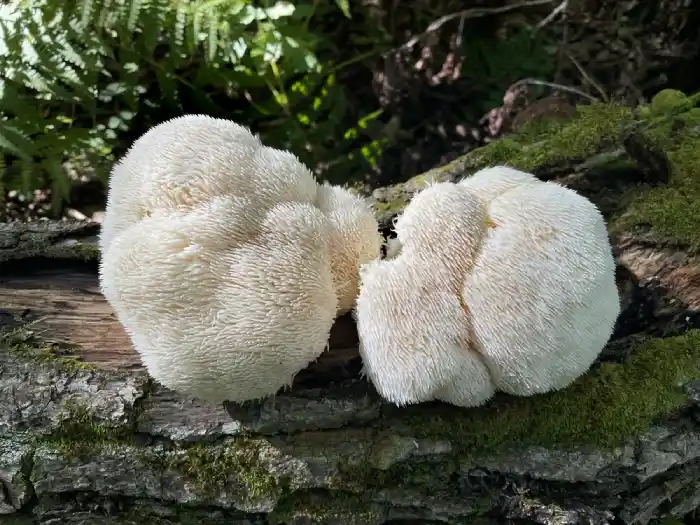
The Brain Mushroom That Science Is Obsessed With. Lion’s Mane (Hericium erinaceus) is, perhaps, the single functional mushroom that has been of interest to neuroscientists, biohackers, and wellness brands alike. It is called so because of its unique cascading white spines which appear like the mane of a lion and it is quickly becoming the nootropic ingredient of the 21st century. Azoth Biotech is a producer of high-quality Lion’s Mane mushroom extracts in a dual-extracted, standardized, certified form to wellness brands that aim to take the lead in the booming cognitive health supplement sector. The Unique Bioactives That Make Lion’s Mane Special • Hericenones (in fruiting body) – stimulate NGF production in the brain. • Erinacines (mycelial) – cross blood-brain barrier; strong NGF inducers. • Beta-glucans – gut health and immune modulation support. • Polysaccharides – anti-oxidant and anti-inflammatory. • Sterols and fatty acids – neuroprotective membrane support. The erinacines coupled with hericenones are not found in any other natural source, and only Lion’s Mane activates the growth of the brain by stimulating Nerve Growth Factor (NGF) through the dual-compound stimulant effect. The 9 Proven Health-Promoting Effects of Lion Mushrooms. Stimulates the production of Nerve Growth Factor (NGF). NGF is a protein necessary to grow, maintain, and survive neurons. Reduced levels of NGF have been linked to cognitive impairment, Alzheimer and Parkinson diseases. The sole known natural source of food containing compounds that can have a significant stimulatory effect on NGF production in the brain is Lion’s Mane – a finding that has massive potential consequences on the longevity of the human brain. 2. Improves Recollection and Thinking. Several human clinical research studies such as the first ground-breaking Japanese trial show that Lion Mane supplementation has a significant positive effect on the scores on cognitive tests in mildly impaired adults. There was quantifiable memory, attention and speed of information processing improvements among the participants. 3. Decreases Anxiety and Depression Symptoms. In a placebo-controlled, double-blind clinical trial of women, Lion’s Mane supplementation over 4 weeks had a significant effect on anxiety and depression rating scales by lowering the scores. Researchers have also credited this to anti-inflammatory action of the gut-brain axis and BDNF (Brain-Derived Neurotrophic Factor) modulation. 4. Helps Nerve Injuries Lion’s Mane has NGF-stimulating erinacines that can be promising in stimulating peripheral nerve repair and recovery. The capacity to cause faster functional recovery of nerve crush injuries in animals has proven to be an exciting prospect to neurological rehabilitation support products. 5. Prevents Alzheimer and Dementia. It is also shown that Lion’s Mane lowers the build-up of amyloid-beta plaques – a symptom of Alzheimer disease – in animals. Multi-mechanism approach to Alzheimer prevention research: Its anti-neuroinflammatory effects as well as its NGF-stimulating effect offers a multi-mechanism approach to Alzheimer prevention research. 6. The Gut-Brain Axis and Gut Health. The polysaccharides of Lion Mane are good prebiotics that stimulate the growth of good bacteria and prevent the growth of harmful bacteria. It has been shown that Lion’s Mane can be used to heal the intestinal epithelial barrier (leaky gut), decrease gut inflammation, and could even prevent gastric ulcers all with the benefit of positively impacting mood through the gut-brain axis. 7. Immune System Enhancement The Lion’s Mane beta-glucans stimulate the macrophages, dendritic cells and natural killer cells, which offer an effective immune surveillance and protection. Lion’s Mane is safe to use every day with minimal stimulation and is recommended to healthy populations seeking to have a strong immune system. 8. Anti-Inflammatory and antioxidant effects. Low-grade and chronic inflammation is a cause of practically all chronic diseases. Lion’s Mane polysaccharides and phenolic compounds block major inflammatory pathways (NF-kB, COX-2) and counteract free radicals, which have a positive effect on overall health and healthy aging. 9. Potential Anti-Cancer Properties Preclinical studies show that tumor cell proliferation and apoptosis of various cancer cell lines can be inhibited and induced by Lion’s Mane extracts. Although this study is still in its initial phase, it contributes to the impressive practical profile of Lion Mane as a well-being compound. Who is the Lion Mane Supplementation Benefiting the most? • Knowledge workers and students in need of cognitive advantage and concentration. Older adults with fears of memory and cognitive decline. • People who cope with anxiety, stress, or low mood. • Athletes who want to recover faster and those in need of nervous system support. • Individuals with intestinal problems such as leaky gut and IBS. Anyone who is investing in long-term neuro-protection and brain health. Product Applications: Formulating with Lion’s Mane Extract Nootropic capsules and brain health supplements. • Functional coffee and mushroom tea blends • Sports nutrition and protein powders. • Chewable and gummy cognitive health supplements. Skincare with neuroinflammation and aging-targeting formulations. Azoth Biotech’s Lion’s Mane Extract: The Gold Standard for B2B Partners The Lion’s Mane extract of Azoth Biotech is produced through organically grown fruiting bodies with a fine-tuned dual-extraction procedure – retaining the entire range of hericenones, erinacines, and polysaccharides that characterize Lion’s Mane bioactivity. Or – Standardized beta-glucan content (minimum 30%) • HPLC-verified hericenone profile • In the form of water extract, ethanol extract or dual extract powder. • Organic certified, ISO 22000, HACCP and FSSAI compliant. • Regulatory documentation and support on technical formulation. • White-label, its own label, and contract manufacturing opportunities. Dosage Guidance Common dosage: 500 mg -1000 mg/day of standardized extract to benefit the brain and cognition. Improved protocol: Intensive neuroprotection up to 3,000 mg/day or clinical-level uses. The R&D department of Azoth Biotech offers complete dosage optimization and formulation consultation in your desired format of product. In conclusion, Lion Mane – The hottest functional ingredient of our age. Azoth Biotech is a trusted manufacturer of premium Lion’s Mane extracts and adaptogenic mushrooms, supplying brands that prioritize scientific integrity, superior quality, and measurable consumer impact. Our extracts are designed to meet the highest standards for efficacy and consistency in modern nutraceutical formulations. Contact Azoth Biotech today to request samples, access technical documentation, or explore custom formulation solutions