
Lion’s Mane Extract: The Complete Guide to Benefits, Dosage, and How It’s Made
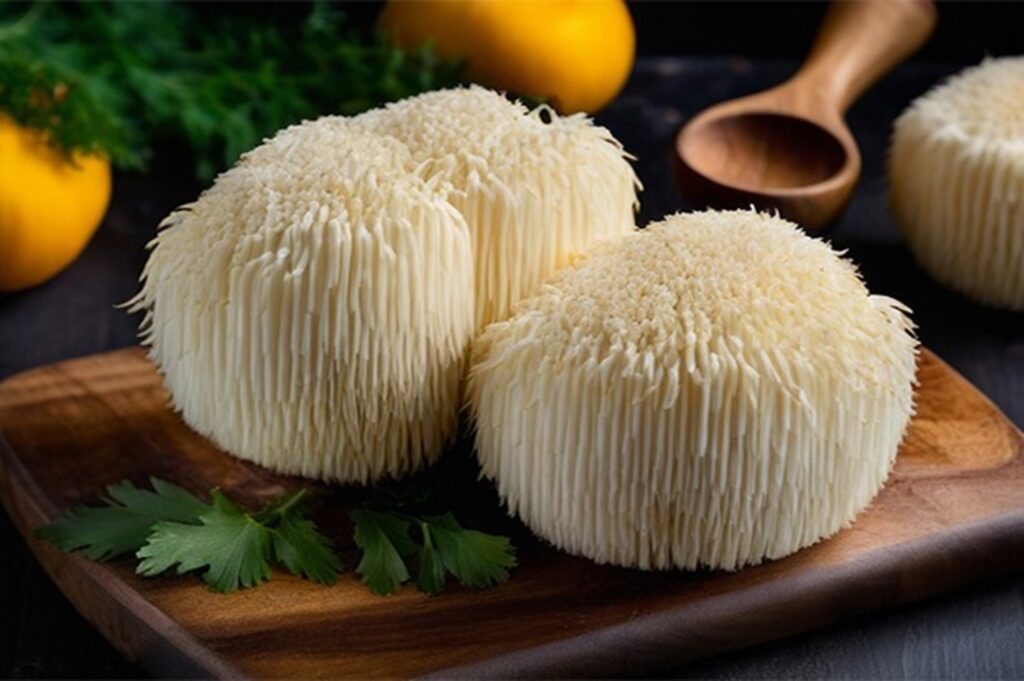
Whatever amount of research has been carried out on nootropic mushrooms, one ingredient seems to always attract attention – extract of the lion’s mane mushroom. The lion’s mane mushroom extract is commonly used in nootropic formulas, coffee blends, capsules, tinctures, etc. Among all functional mushrooms, the Hericium erinaceus probably has the most interesting history when it comes to the brain’s functioning. However, “lion’s mane extract” is not a monolithic concept, and it seems to confuse consumers on a regular basis. There are fruiting body extracts and mycelium extracts, water extracts and dual extracts, powders, tinctures, and oils, all marketed under the same heading but without any clarification of what type of extract consumers are actually purchasing. Questions like this one pop up from our partners in the brands we work with all the time: what is lion’s mane extract really, and why is one bottle three times more expensive than the loose powder right next to it? This is an issue we get to deal with on a daily basis since our company produces lion’s mane mushroom extracts in India and elsewhere for use in functional beverages, supplements, cosmetics, and other such products. The facts about this mushroom, its benefits, the extraction process, and some things you should know before purchase are given below. What Is Lion’s Mane Extract? The Lion’s Mane is a very large, white and fluffy mushroom which really resembles a lion’s mane (or a pom-pom, depending on whom you ask). It has a scientific name Hericium erinaceus and it was traditionally used as a food and medicine in East Asian cuisine for many years, especially in Japan, Korea, India and China. It is consumed either fresh or dried or cooked and is said to taste like seafood, kind of like a crab. However, the Lion’s Mane mushroom itself actually contains fairly low concentrations of these fascinating substances. Lion’s Mane Mushroom Extract is the substance extracted from the raw Lion’s Mane mushroom by means of alcohol or boiling water. The two compound families everyone’s interested in are: Both groups of compounds are being studied for their potential to stimulate nerve growth factor (NGF), a protein involved in the growth, maintenance, and survival of brain cells. This is the underlying reason lion’s mane has become the go-to mushroom for cognitive health. Lion’s Mane Extract vs. Powder: What’s the Difference? This is one of the most common questions people search before buying, and it’s a fair one raw lion’s mane mushroom powder is cheaper, so why would anyone pay more for extract? The answer comes down to bioavailability. Mushroom cell walls are made of chitin, a tough fiber that the human digestive system can’t break down efficiently. When you eat raw powder, a meaningful portion of the beneficial compounds stay locked inside those cell walls and pass through largely unused. Extraction breaks down that barrier through mechanical, chemical, or thermal and aqueous methods so that the compounds become measurable and bioavailable. Here are the lion’s mane extract versus powder differences: When it comes to the measured amount of beta-glucans, hericenones, or erinacines, extract will do better for you. If you need lion’s mane for cooking purposes only, then powder is good. How Is Lion’s Mane Extract Made? There are various ways of making lion’s mane mushroom extract, and the type of process is more important than many labels might lead one to believe. Extract from the fruiting body versus extract from mycelium. An extract from the fruiting body of lion’s mane is made using the mushroom itself – that is, the visible portion that corresponds closely with hericenones and traditional use as an edible mushroom. The mycelium extract is cultivated on a grain substrate and then harvested before the formation of the actual mushroom; it is less costly to produce, but usually also includes substrate starch along with mycelium. Water extraction versus alcohol extraction. Hot water extraction will capture water soluble compounds, mainly polysaccharides and beta-glucans, the compounds believed responsible for immune supportive effects and anti-inflammation. Alcohol (ethanol) extraction captures fat soluble compounds such as triterpenes and some erinacines. Dual Extraction Process. In the case of dual extract lion’s mane, the mushrooms go through both water and alcohol extraction processes simultaneously or one after another to obtain both groups of components in one product. Dual extracted lion’s mane is commonly regarded as the most comprehensive extract, as it avoids the need to choose between two types of compounds. The difference of the technology used by Azoth Biotech from other producers lies in the patented water extraction process that does not involve any kind of alcohol or harsh solvents, resulting in a safer product that is suitable for food and beverages production, as well as being organic lion’s mane extract. Lion’s Mane Extract Benefits: What Does the Research Actually Say? It’s worth being upfront about something here: most lion’s mane research so far comes from lab and animal studies, with only a handful of small, preliminary human trials backing it up. None of this makes lion’s mane mushroom extract a treatment for any disease, and no claim made about it has been evaluated or approved by a regulatory body. With that caveat out of the way, here’s where the current research actually points. Cognitive function and brain health That was the reason why lion’s mane became popular. In a double-blind randomized placebo-controlled trial, people with age-related cognitive decline who took lion’s mane in the form of Hericium erinaceus tablets for 16 weeks demonstrated some improvement in cognitive test scores in comparison with the placebo group. Another trial, which included young people, revealed faster processing of information in those subjects who took lion’s mane mushroom in the form of a powder. There is an assumption that the beneficial properties of lion’s mane can be attributed to the action of hericenones and erinacines that seem to promote Nerve Growth Factor production. Mood, stress, and anxiety One of the interesting trials from Japan: women with menopause-associated issues and sleep problems took cookies